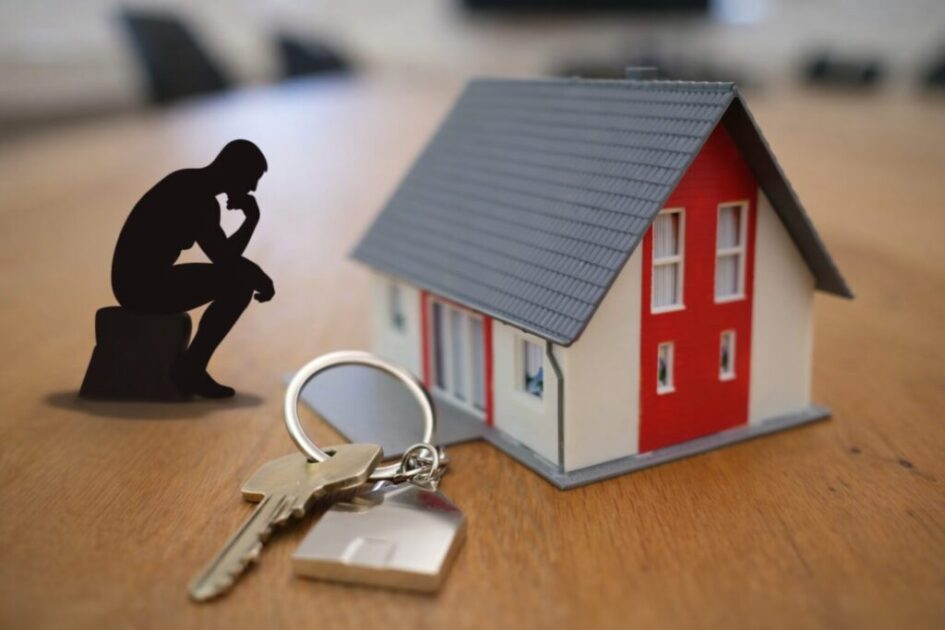
You get married. You have kids. You build a house. I thought that was just how it went.
When I finally got my own house, I thought, “Now I can rest easy.” The loan was heavy. But there was a house for my family. That was enough for me.
Lately, though, a thought keeps coming back.
This house. What happens to it when I am gone?
Before it sits empty, I want to write down what I have been thinking.
The Day “My Son Will Take Over” Stops Being Obvious
I have two sons. To be honest, when I built this house, I did not think it through. The kids would grow up, get married, live here, and take it over naturally. I sort of assumed that.
But it is not that simple.
Kids grow up, find work in the city, and do not come home. I hear that story all the time. Even if they move back to their hometown, whether they want to live with their parents is another matter.
If I am honest about myself, even if a son got married and said, “Let us all live together,” I would have mixed feelings. Sharing one roof with a daughter-in-law means both sides walk on eggshells. It really is not simple.
So the thing I was counting on, that the kids will take over, is shakier than I thought.
The Price of Avoiding the Talk About the House
This is embarrassing, but my family has never had a proper talk about this.
“So, what are you two going to do with this house?” It is hard to just come out and say. Bringing it up while everyone is healthy feels like bad luck, and the kids would not know what to say either.
But letting the years slide by without talking is worse.
While my wife and I are healthy, we are fine. But when we are both gone, the kids will have to decide what to do with this house with no preparation at all. Inheritance issues. The property tax. The upkeep. Getting handed all of that out of nowhere, knowing nothing, would only put a burden on them.
Before It Sits Empty. What I Think When I Look at the Empty House Down the Street
There is an empty house near us. It used to be a normal family home. Now the grass in the garden is left to grow wild, and a gutter hangs broken. The window glass is cracked.
I heard the owner went into a care facility. The children live out of the prefecture, so no one looks after it. I hear they keep paying the property tax, but there is no plan for anyone to live there.
This is not a problem that belongs to someone else. My own house could end up the same way one day. When I think about that, I feel I have to do something while I still have my health.
Start by Learning What the House Is Worth Now
So where do you even begin?
Calling a family meeting out of the blue is a high bar. So I think it is better to start by finding out how much my house is worth right now.
Once you know the value, the choices come into view.
- If the kids inherit it, how much of an asset it is
- If we sell, how much it would sell for
- There is also leaseback, where you keep living in it while turning it into cash (though I hear there can be many problems, so look into it carefully first)
Knowing or not knowing makes a big difference in how concrete the talk with family can be. If I can start with, “This house is probably worth about XX million yen. What do you think?” the hurdle for the conversation drops a lot.
An appraisal can be done for free, but do not trust the number from one company alone. If you do it, compare several. There is an easier way too. The property tax notice lists an assessed value. Look at that first, and you get a rough idea.
Getting Ready So I Do Not Burden My Family
It is not that I regret building the house. The time with my family. The place my kids grew up. This house holds a lot of memories.
But I have started to feel I cannot just build it and then forget about it.
A house is an asset, but left alone it becomes a burden. With the empty house problem growing across the country, the sooner you see it as your own problem, the better.
Before it sits empty, first look into what the house is worth. Then talk with the kids, a little at a time.
You do not need a perfect answer. Just the fact that you have started to think about it is, I believe, the greatest kindness to your family.
It is not only the house. The grave is the same. Whether it gets passed on or not, talking it over while you still have your health is never a mistake.
— Me-me

コメント